
Working as a barista is far more than just making coffee. It’s a craft, a service-oriented role, and a pathway to an exciting career in hospitality or specialty coffee. Whether you’re interested in a part-time café job or planning to grow in the F&B industry, knowing what this role entails is the first step.
In this article, we’ll go deep into the duties, skills, tools, responsibilities, and training involved in being a barista. Plus, we’ll show how you can get certified in Dubai through Learnovate’s practical barista course.
What is a Barista?
A barista is a trained professional who prepares and serves coffee-based drinks, primarily espresso beverages, in coffee shops, cafés, and restaurants. However, their job goes beyond coffee preparation. Baristas also manage customer interaction, operate machines, maintain cleanliness, and contribute to the overall atmosphere of the café.
The word “barista” is Italian, meaning “bartender,” but today it’s most commonly associated with the person behind the coffee counter who delivers high-quality coffee with a smile.
If you’ve ever been handed a beautifully crafted cappuccino or seen latte art so perfect it looks like a painting, that’s a barista’s work in action.
Barista Job Description
Here’s a closer look at the general job description for a barista:
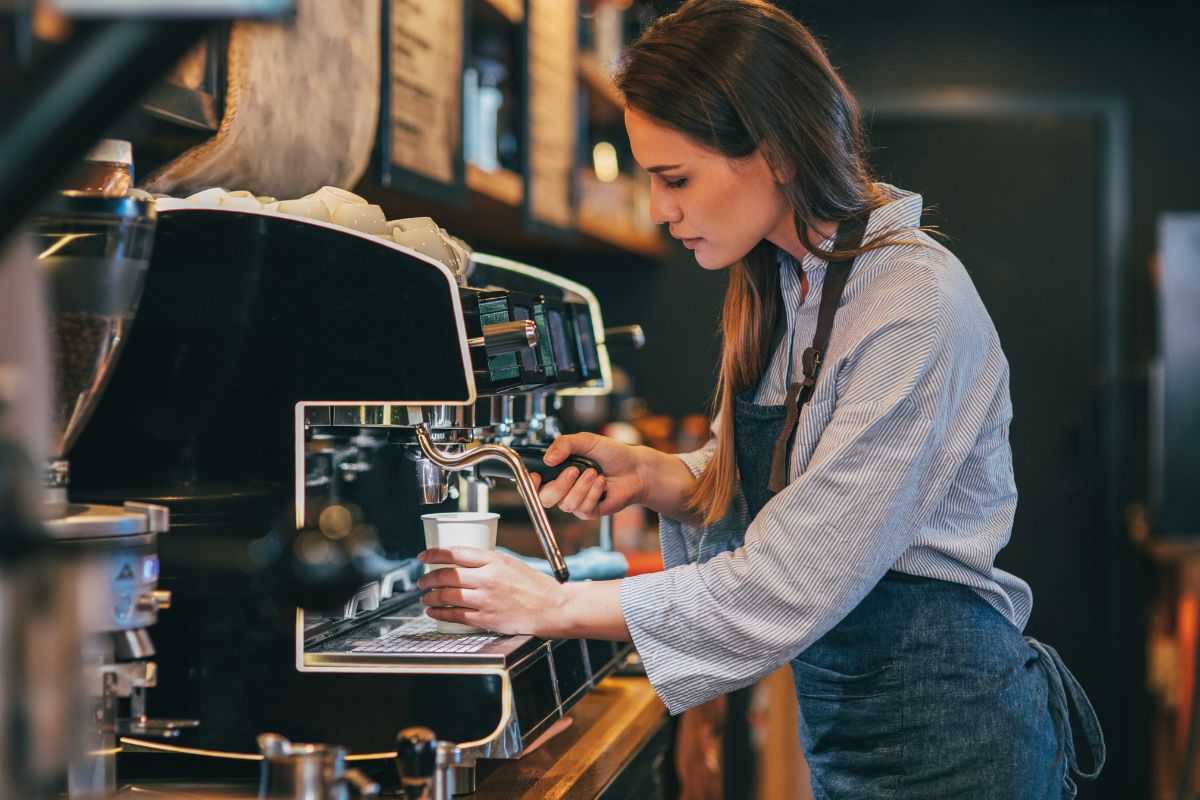
Baristas are responsible for preparing and serving coffee and espresso drinks, maintaining a clean and organized workspace, interacting with customers, operating complex machinery such as espresso machines and grinders, and sometimes handling food items or pastries.
Depending on the location and café size, a barista may also be in charge of inventory, taking customer orders, processing payments, and helping open or close the shop.
If you want to work in coffee professionally, mastering both the technical and interpersonal sides of the job is essential.
Typical barista job description includes:
- Preparing hot and cold coffee beverages including lattes, cappuccinos, macchiatos, and flat whites
- Operating espresso machines, coffee grinders, and brewing tools
- Maintaining knowledge of different beans, roasts, blends, and brewing techniques
- Interacting with customers and taking drink orders
- Managing inventory and keeping supplies stocked
- Following hygiene and food safety standards
- Training new team members if in a senior role
Barista Duties and Responsibilities
While the responsibilities of a barista can vary slightly depending on the employer, location, or café type, most roles have a consistent set of core duties. These include:
- Preparing Coffee and Beverages
This is the most obvious responsibility—making espresso-based drinks and specialty beverages using various tools and machines. A good barista can pull a consistent espresso shot, froth milk to the right texture, and layer a drink like a pro. - Providing Customer Service
A barista’s job is just as much about people as it is about coffee. Being friendly, approachable, and quick to solve problems or answer questions goes a long way toward creating loyal customers. - Operating Coffee Equipment
Baristas work with espresso machines, grinders, blenders, pour-over kits, French presses, and sometimes automatic brewers. Knowing how to operate, clean, and maintain this equipment is key. - Maintaining Cleanliness
The barista station must be clean and organized at all times. This includes wiping down counters, washing milk jugs and pitchers, cleaning espresso machine group heads, and sweeping floors. - Handling Payments
In smaller cafés or establishments without dedicated cashiers, baristas may also take customer orders and process payments at the register or POS system. - Managing Inventory
Keeping track of coffee beans, milk, syrups, cups, and other stock ensures that the café runs smoothly without disruptions. Baristas are often responsible for alerting management when inventory is running low. - Following Health and Safety Standards
A professional barista must follow hygiene protocols, especially in food-handling areas. This includes using gloves, sanitizing tools, and maintaining clean workspaces.
Barista Skills and Qualifications
To do this job well, a barista needs a specific set of skills—both hard and soft. The best baristas are technically sharp, organized, creative, and people-friendly.
Here are the most important barista skills employers look for:
- Coffee knowledge: Understand different beans, origins, roast levels, and flavor notes
- Machine handling: Know how to operate and maintain espresso machines and grinders
- Milk texturing: Learn how to froth milk correctly for each drink type
- Speed and efficiency: Work quickly during rush hours without compromising quality
- Attention to detail: Ensure drinks are consistent, visually appealing, and taste balanced
- Communication: Listen to customer preferences, explain drink options, and work well with the team
- Multitasking: Manage multiple drink orders while staying organized and calm
- Cleanliness: Maintain hygiene and order behind the counter
Barista Qualifications
In most entry-level roles, formal education is not required. However, many employers prefer candidates who have received professional training or certification.
Getting certified through a reputable barista course significantly improves job prospects. It shows that you’ve had hands-on experience, understand café operations, and can work under pressure.
If you’re looking to get trained and certified, consider enrolling in the Barista Course in Dubai by Learnovate. This course is ideal for both beginners and professionals looking to upskill in a practical setting.
Barista Tools and Equipment
Baristas must know how to work with a range of equipment, including:
- Espresso machines (manual and automatic)
- Coffee grinders
- Milk frothers and steam wands
- Pour-over sets (V60, Chemex)
- French press or AeroPress
- Tamping tools and dosing scales
- Cleaning brushes and accessories
- Point-of-sale (POS) systems
Understanding how each tool affects the brewing process is essential. For example, grind size and tamping pressure can dramatically change the flavor of espresso. A trained barista knows how to make these adjustments on the fly.
Work Environment
A barista’s work environment is fast-paced, energetic, and often centered around customer interactions. You’ll be standing for long periods, especially during peak hours like mornings and weekends.
Baristas usually work in:
- Coffee shops and cafés
- Restaurants and hotels
- Corporate cafés or airport lounges
- Event setups or catering services
- Specialty coffee houses
Shifts often include early mornings, weekends, and holidays. If you enjoy staying active, being social, and creating something hands-on, this job can be incredibly rewarding.
Barista Salary in Dubai
In the UAE, barista salaries vary based on experience, employer type, and location. On average, entry-level baristas earn between AED 2,000 to AED 3,500 per month. With more experience or supervisory roles, salaries can increase to AED 4,000–5,000 monthly.
Getting certified through a professional training program—like the one offered by Learnovate—can significantly boost your employability and salary potential.
Career Path and Growth Opportunities
Many people start as baristas and grow into larger roles within the F&B or hospitality sector. Some even go on to become coffee consultants, roasters, or café owners.
Common career progression routes include:
- Senior Barista
- Shift Supervisor
- Café Manager
- Coffee Trainer
- Head Barista
- Coffee Roaster or Quality Grader
- Specialty Café Owner
The global coffee industry is booming, and skilled baristas are in high demand—not just in Dubai, but worldwide.
How to Become a Barista in Dubai
To start your career as a barista in Dubai, follow these steps:
- Learn the basics of coffee and café operations
- Enroll in a practical barista course with certification
- Gain experience by working part-time or as a trainee
- Practice daily and refine your techniques
- Network within the coffee community and attend coffee events
- Stay up to date with industry trends and tools
For anyone serious about this career, getting proper training is a must. That’s why the Barista Course in Dubai from Learnovate Training Center is highly recommended. It’s a hands-on program that covers everything from espresso theory to milk texturing, customer service, machine handling, and hygiene.
The course is available in both English and Arabic and is designed to be practical and job-ready. After completion, you’ll receive a certificate that’s recognized by employers across the UAE.
Why Choose Learnovate’s Barista Course in Dubai
Learnovate is one of Dubai’s most trusted training providers, offering high-quality vocational and skill-based courses. Their barista training is led by industry professionals and offers a strong blend of theory and hands-on practice.
Key features of the Learnovate barista course:
- Practical training with café-grade equipment
- Step-by-step instruction on espresso making, milk frothing, and latte art
- Training on hygiene, safety, and customer interaction
- Certification upon course completion
- Support with job placement and interviews
Whether you’re just starting out or want to upgrade your barista skills, this course is a solid step toward a successful career.
Visit Learnovate’s official barista course page to learn more or register for the next intake.
Final Thoughts
Becoming a barista isn’t just about pouring coffee—it’s about crafting moments, perfecting a skill, and building a career in a globally loved industry. Whether you’re looking for a flexible part-time job or planning to build your future in specialty coffee, this role offers both challenge and opportunity.
The best way to get started? Get trained, practice consistently, and surround yourself with people who are just as passionate about coffee as you are.
If you’re based in the UAE and ready to take the next step, enroll in the Barista Course in Dubai by Learnovate and begin your journey toward becoming a certified barista.